WebGL website templates
These are the templates where the page is drawn by the GPU rather than assembled from images and video. Some use Three.js for full 3D scenes: a cloud of ninety thousand particles that changes shape as you scroll, a product you can turn and recolour, an ocean you descend through. One uses OGL fragment shaders to melt one photograph into the next.
All of them use plain WebGL libraries, not React Three Fiber, inside a Next.js 16 + TypeScript + Tailwind app, with GSAP ScrollTrigger and Lenis tying the scene to scroll position. Each is tuned to hold a smooth frame rate without post-processing, and each draws fewer particles on phones.
Every one comes with a free Claude Code prompt that builds a variant, and the exact tested source is included in Full Access.
10 templates
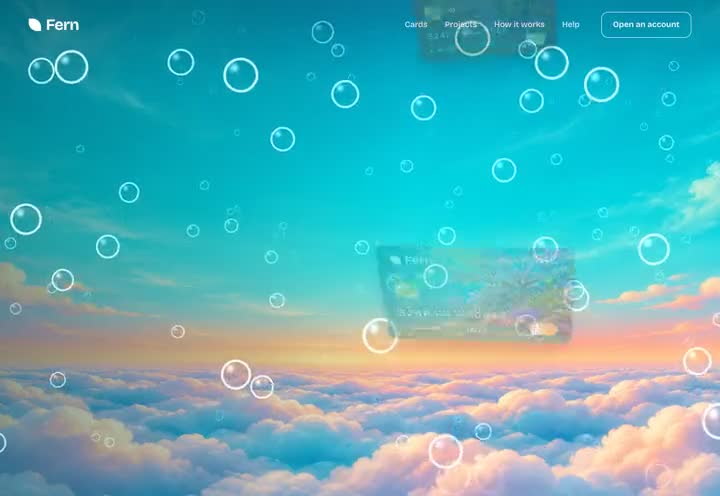
Fern
Source code
Necta
Source code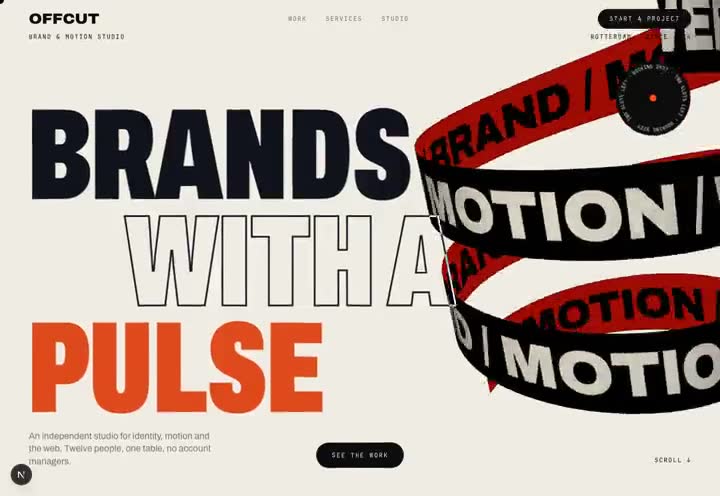
Offcut
Source code
Volta
Source code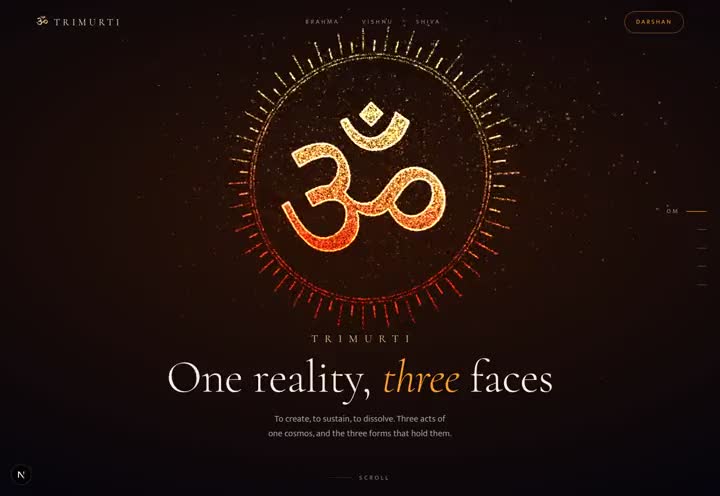
Trimurti
Source code
Nova
Source code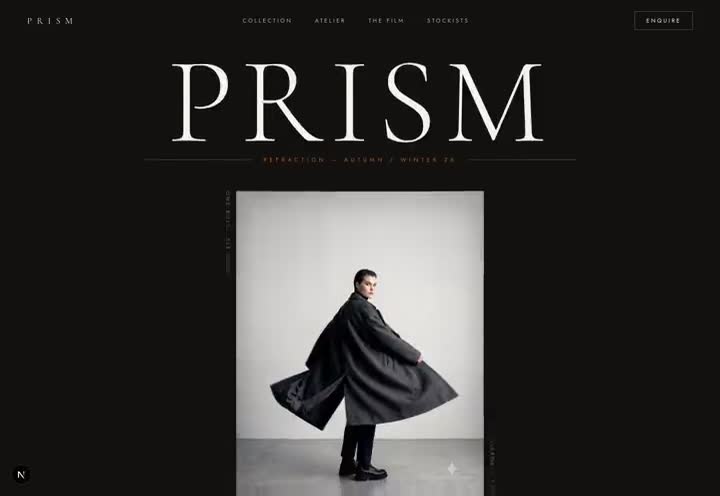
Prism
Source code
Aero
Source code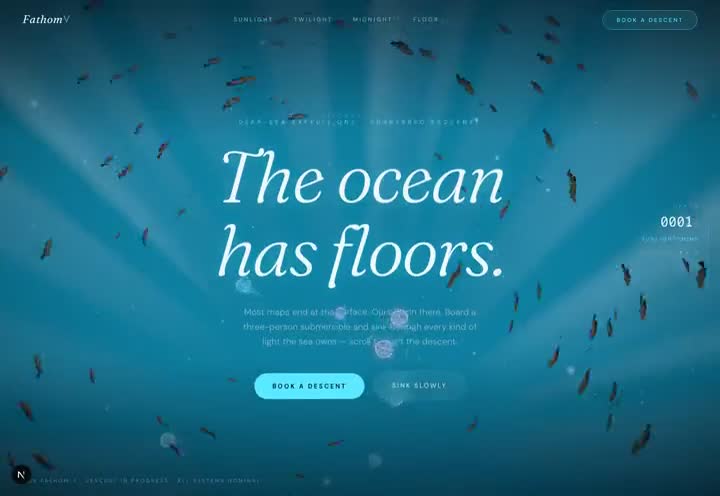
Fathom
Source code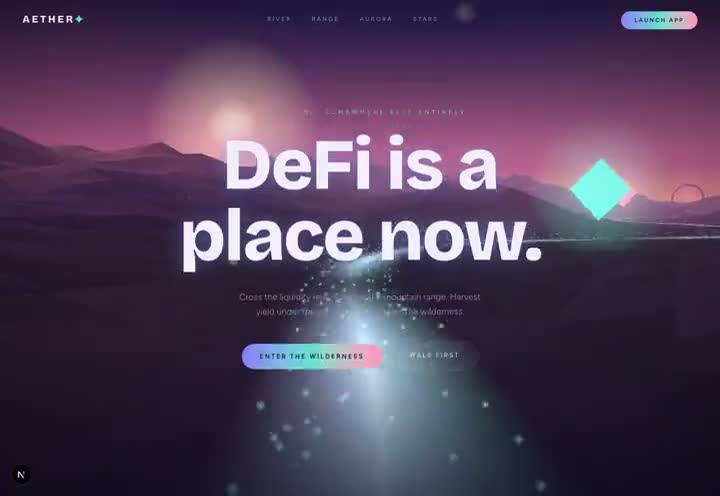
Aether
Source codeQuestions
What is a WebGL website template?
A site template whose main visual is rendered live by the graphics card through WebGL, usually with Three.js or a shader library, instead of being a pre-made video or image. It can react to scroll, the cursor and the screen size in ways a video cannot.
Do WebGL templates work on phones?
Yes. These templates lower the particle count and cap the pixel ratio on small screens, and visitors who ask their device for reduced motion get a still version.
Do I need to know Three.js to use one?
No for changing copy, colours and layout — those live in a config file. Yes if you want to change the 3D shapes themselves, though each generator is a short, commented function.